15 Classic Games That Prove Great Graphics Aren't Everything
Overview & Key Takeaways
Great visuals never hurt, but 15 classic games prove you can have a tremendous experience without them.
There’s no getting around it: graphics matter a great deal where video games are concerned. For many years, they were one of the best reasons to invest in new consoles and better gaming PCs. There have always been games that didn’t compete for a position at the head of the pack, though. Their developers recognized the importance of compelling gameplay loops, fiendish difficulty, multiplayer appeal, and innovation long before such priorities reliably drew crowds. As we look forward to the visual powerhouse that is Grand Theft Auto 6, here are 15 classic games that prove great graphics aren’t everything.
15 N+ (2008)
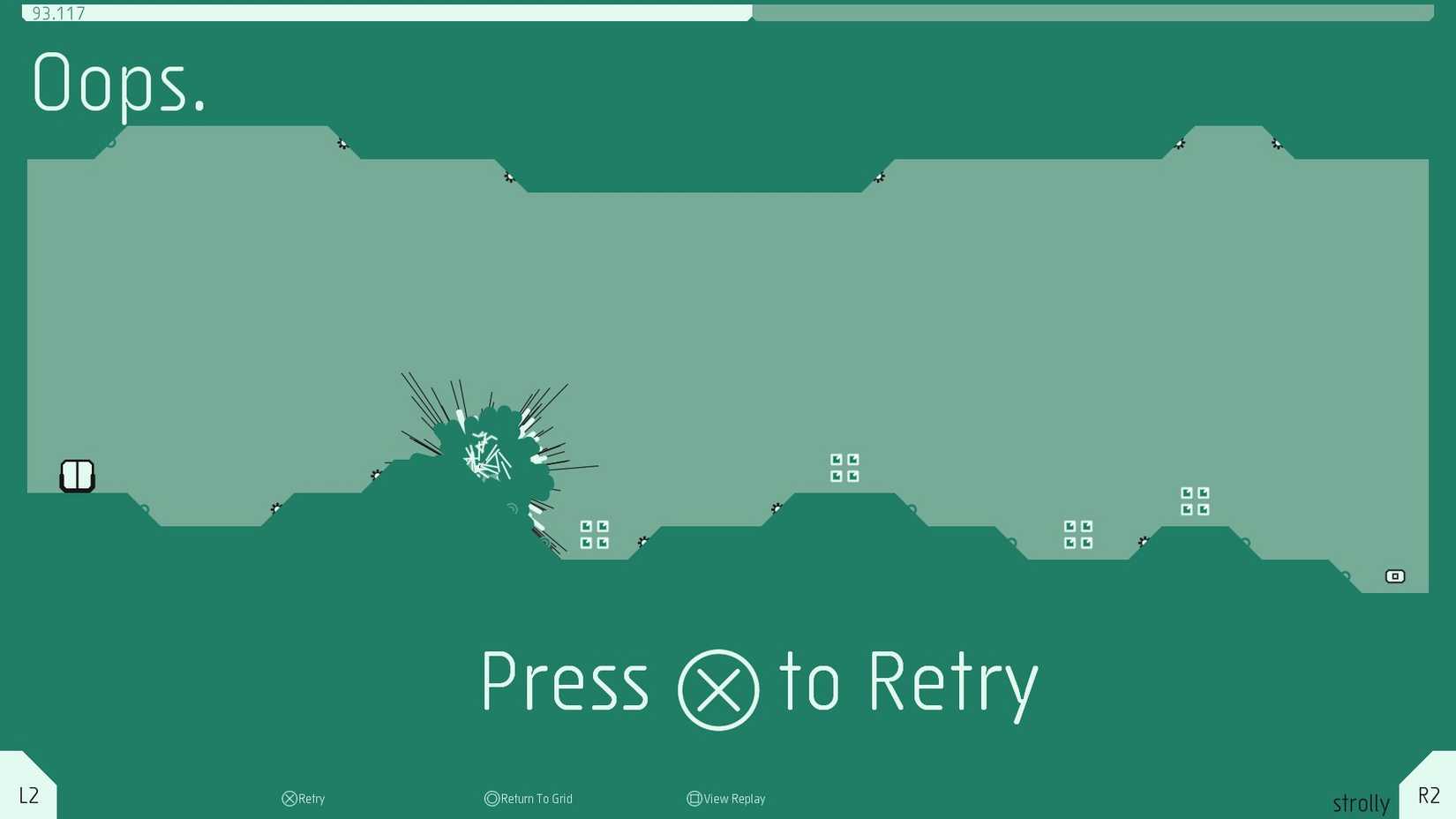 Image: Metanet Software Inc.
N+ is the console version of N, a game originally developed as an Adobe Flash game, but Metanet Software partnered with other developers to produce a version for Xbox Live Arcade. The game features extremely simple controls that allow players to run and leap around hundreds of stages in treacherous, mostly barren environments. It’s not a visual stunner, but the gameplay loop kept players coming back for dozens of hours.
14 Final Fantasy 9 (2000)
 Square Enix
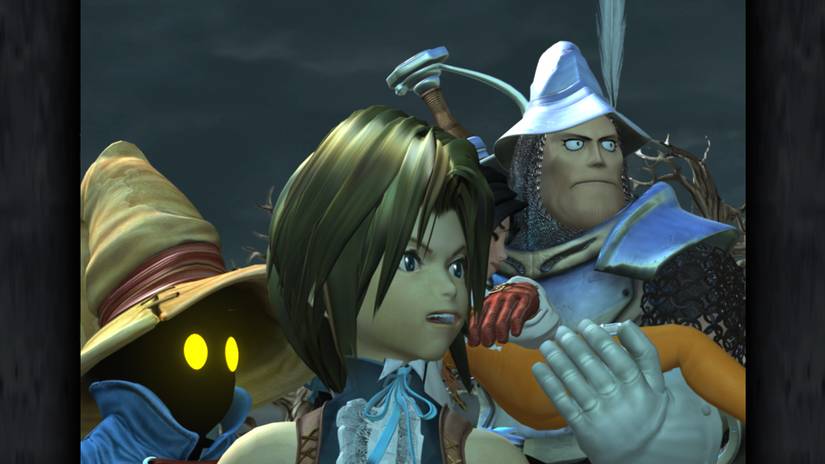
Final Fantasy games have tended to push visual boundaries, one after another. Following on the heels of Final Fantasy 8, which featured realistic models for its memorable cast of characters, Final Fantasy 9 went in a different direction. Its chibi characters were expressive and the world beautiful, but in some respects it felt like a visual regression that Final Fantasy 10 rectified one year later. Even in a world with gorgeous stunners like Final Fantasy 16, this much older title remains a delight to play.
13 The Legend of Zelda: The Wind Waker (2002)
 Nintendo
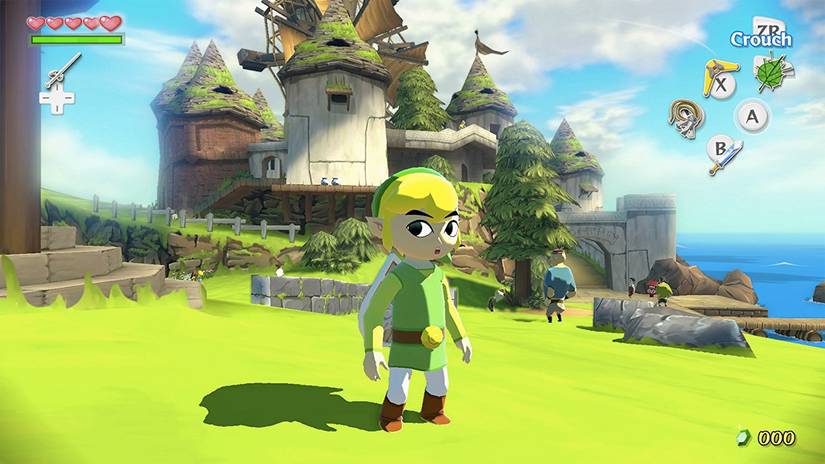
At a Spaceworld event, Nintendo wowed crowds with early footage of the next entry in its popular Zelda franchise. Link and Ganondorf looked much as they had in Ocarina of Time, but with more polygons. Then Nintendo went back to the drawing board. The next time we saw what it was working on, Link had shrunk down to child size. The gritty design was gone, replaced by something more in line with the cartoon drawings of Link from various game instruction manuals. Many vocal players were certain the series had jumped the shark. But a lot of them eventually came around in the years following the game’s release, and then did the same again for an HD port on the Wii U. Not only that, but a Switch 2 update of The Wind Waker remains near the top of a lot of fans’ wish lists, proving there’s more to a Zelda game than how it looks.
12 DuckTales (1989)
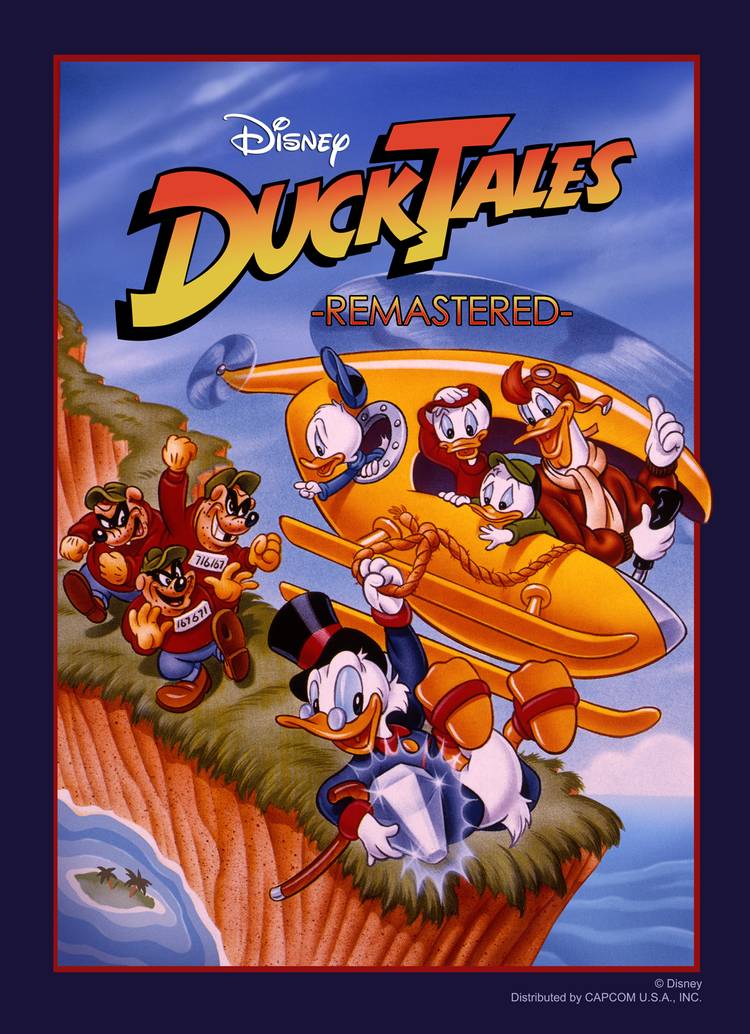 Image: Capcom
DuckTales drops Scrooge McDuck into a variety of colorful cartoon environments around the world. It was a pretty game from day one, featuring detailed environments that brought the cartoon to interactive life, but the real joy was the freedom to explore. Years after its original release, WayForward made a remastered and reworked version for newer platforms, which featured improved visuals and even voice work from the original cartoon talent. However, the experience didn’t resonate in the same way. The visuals were improved, yes, but there was more to the formula than just pretty graphics. It turned out those other things were what mattered most.
Get Polygon’s Wishlister newsletter
A weekly cheat sheet to what you’ll eventually love to play. No buying, no commitment — just saving for later.
Free. Unsubscribe anytime.
11 Mega Man 2 (1988)
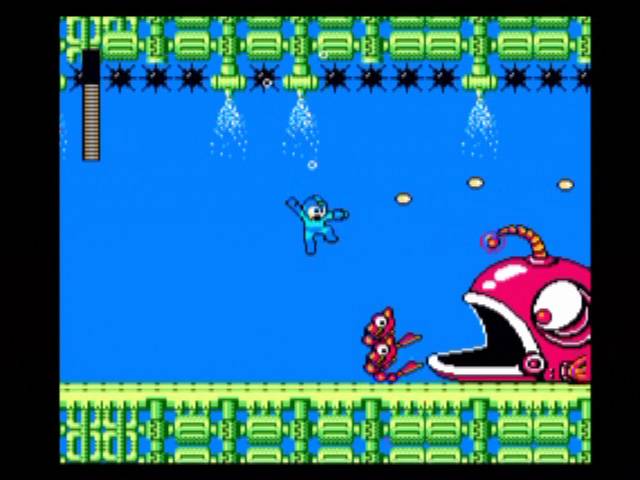 Image: Capcom
When the original Mega Man didn’t sell as well as Capcom hoped, its developers took on a passion project and built a sequel without much interest from their employer. The result was Mega Man 2, one of the best games of the 8-bit era. It featured attractive visuals for its time, but players were more enchanted by the stronger level design, the rocking soundtrack, the expanded selection of robot bosses, and much more. The Mega Man games continued to entertain a large audience throughout the remainder of the NES era, while making marginal improvements to their appearance. But it was the formula that drew us in, one game after another.
10 Terraria (2011)
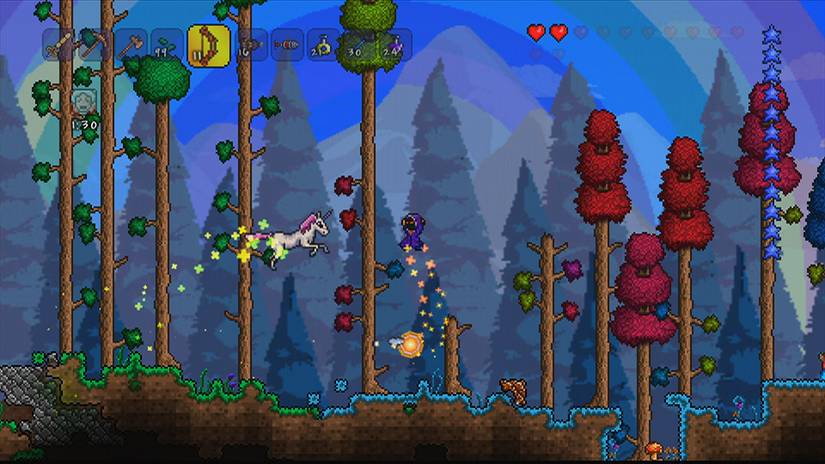 Image: Re-Logic/505 Games
Terraria, a platformer from developer Re-Logic, is by no means ugly. But it’s not visually impressive, either, and it doesn’t have to be. Players flock to play the indie title because they enjoy wandering, crafting, building, fighting, and mining. That’s all there really is to the experience, and yet it works beautifully because it combines the elements people most look for from sandbox games. The retro pixel art suits them just fine.
9 Worms (1995)
 Image: Retro Games Ltd.
Worms is the game that made a lot of players finally pay attention to Team17, and it’s not hard to see why. The title took simple turn-based strategy mechanics and combined them with a cute visual style that made players care about the maniacal worms and their constant war. Backgrounds are detailed and the worms have personality, but the weapons of destruction are the real star of the show. Since its early days on the Amiga, the franchise hasn’t evolved all that much, and it hasn’t needed to. Sometimes, simple is best.
8 Bomberman (1983)
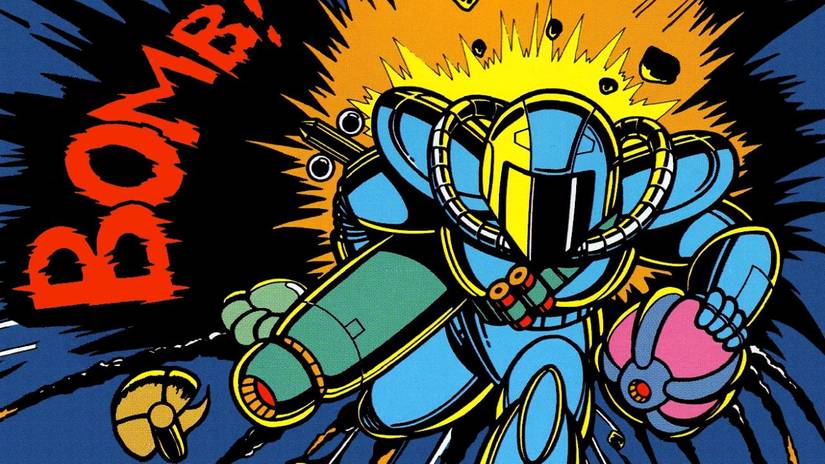 Image: Hudson Entertainment/Konami
People have enjoyed Bomberman and its sequels for years, but they rarely remark on its visual design. Arenas feature simple architecture, and the vibrant characters lack fine details. When explosions fill the battlefield, they’re fairly subdued, but no less fatal for it. Players keep returning for more mayhem, though, decade after decade. The simplistic visual design gets the job done. In fact, one of the most ambitious attempts to add a little spectacle failed in a major way. 2006’s Bomberman Act: Zero for Xbox 360 attempted a darker, more mature approach and satisfied almost no one.
7 Lemmings (1991)
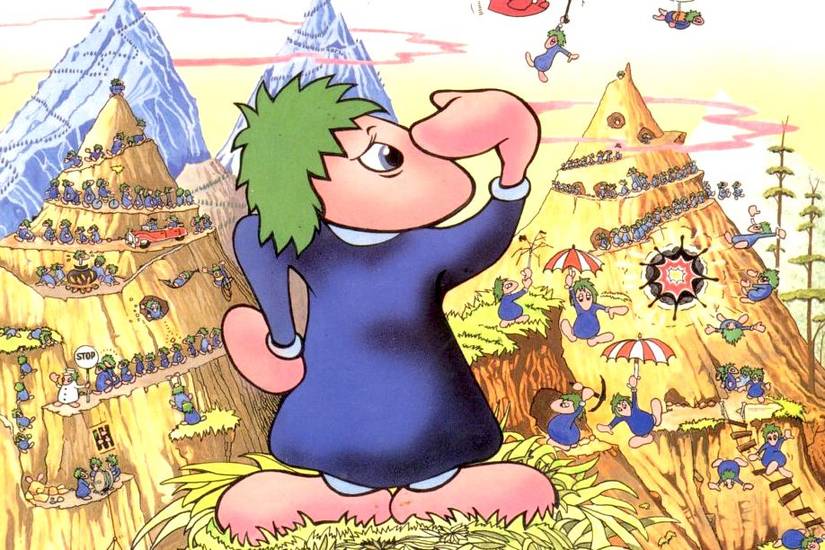 Image: Psygnosis
DMA Design, which later created Grand Theft Auto and became Rockstar North, had a few successes under its belt before it became known for biting satire and 3D open worlds. The biggest triumph was arguably Lemmings, a game about rodents rushing to the sea for one final swim. Players could assign strategic roles to the members of a lemming group, and they had to ensure as many of the critters as possible arrived at a safe exit. The visuals were typically quite limited, which worked in the overall design’s favor. It’s a case where busy backgrounds and complexity would have risked obscuring more important details, or robbing the characters of the personality they needed for the game to thrive.
6 SimCity (1989)
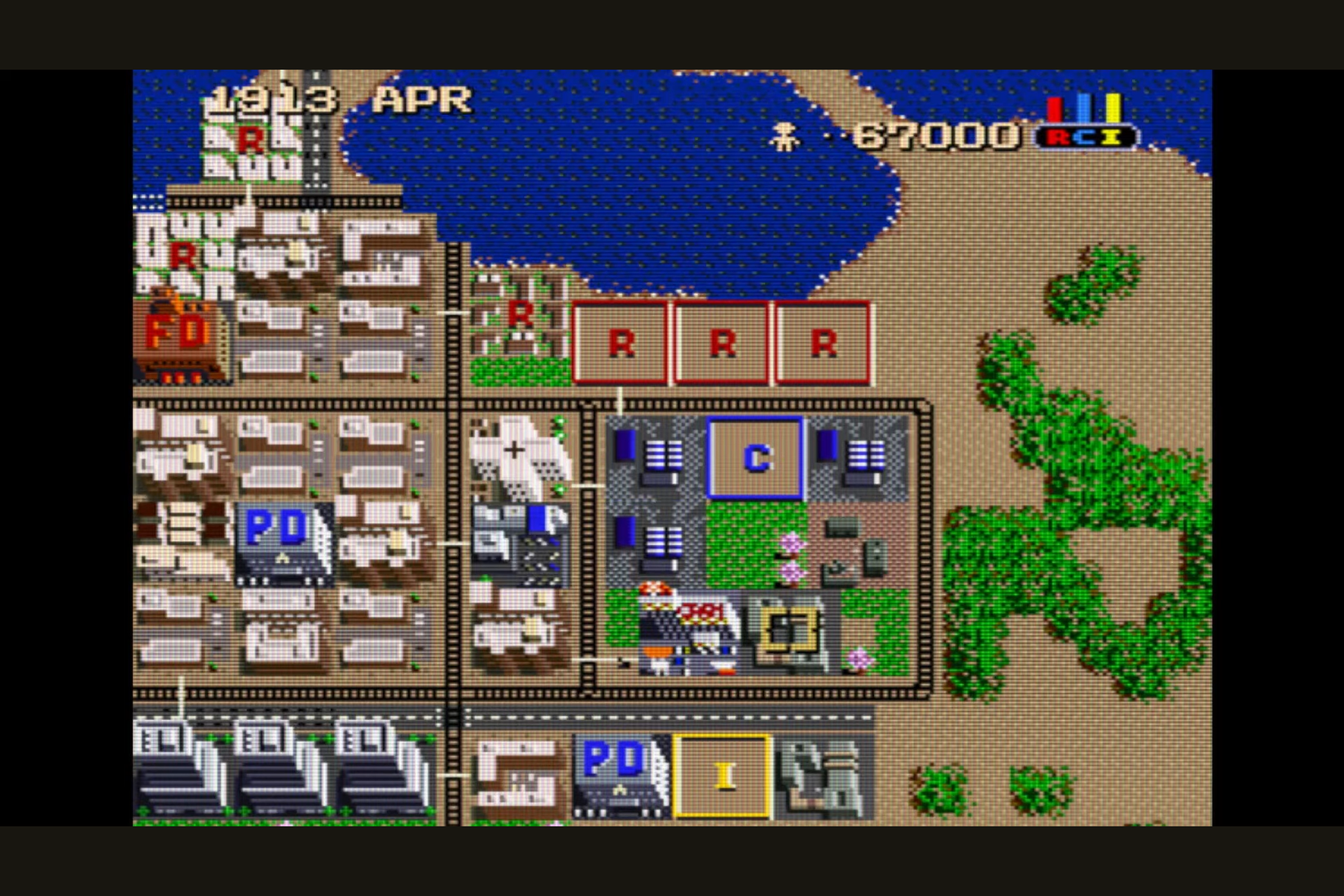 Image: Maxis/Electronic Arts via Cities by Diana/YouTube
SimCity popularized urban simulations and looked fine doing it, but the game’s visuals weren’t particularly impressive. It found success by letting players control the construction of a city while dealing with the realities of transit and economics. Players lost dozens of hours building suburbs, industrial complexes, and commercial districts, and they didn’t care about modern considerations like framerate or 4K resolution. The appeal came purely from the creativity allowed. Nintendo worked with Maxis to port the game to the Super Nintendo, and an NES port was also planned and shown at CES 1991 but eventually canceled.