PlayStation ending physical discs won't just impact game collectors
Overview & Key Takeaways
Sony's decision to stop producing video game discs could have an impact on all players, even those who only buy digitally.
I stopped buying physical games in 2020. When the COVID-19 pandemic broke my routine of heading out to a store on launch days to grab a disc for my collection, I went digital and haven’t reformed that habit since. For players like me, the news that Sony will stop producing physical discs in 2028 sounds like a non-factor from a distance. If I can still purchase and play games, what difference does it make if I have the plastic to prove it?
The reality, though, is much more complicated. The impending loss of PlayStation discs is an existentially troubling move for an industry that has been slowly chipping away at what it means to own a game for quite some time. The consequences of that won’t just be felt by enthusiasts with shelves to fill. Even if your library is fully digital, the loss of physical PlayStation games could have knock-on effects that you’ll feel one way or another come 2028.
 Photo: Sony Interactive Entertainment
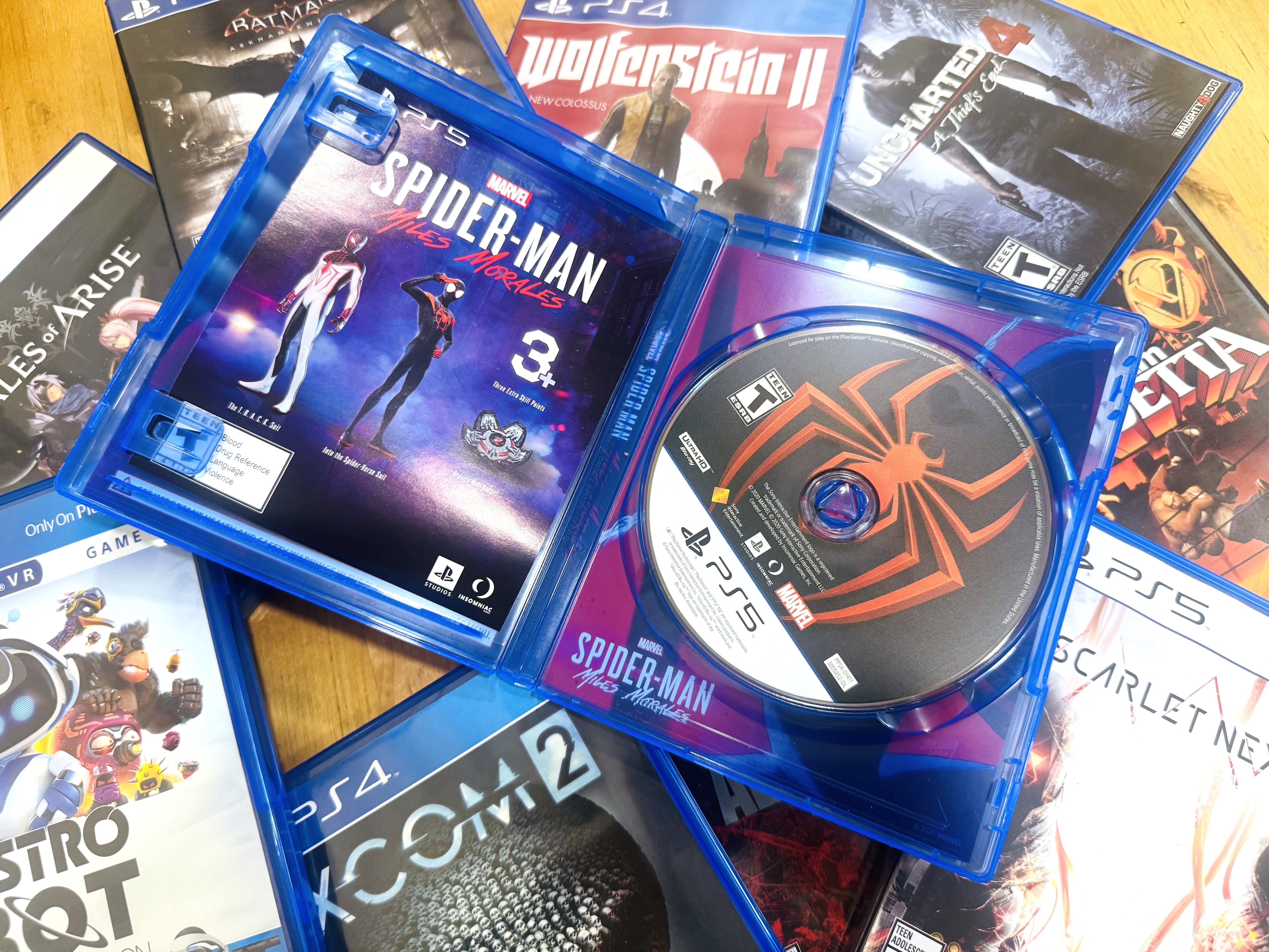
For those who still buy discs, some immediate impacts will be felt when Sony’s plan goes into effect. Yes, there will be an aesthetic loss for anyone who loves displaying their collection, but that’s a very small side effect in the bigger picture. There will be no market for used games, which means that it will be impossible to save money by going secondhand. Friends will no longer be able to lend games to one another by passing around a disc. (Though the PS5 does have a digital sharing solution.) And anyone who buys discs to get around dealing with their poor internet connection will now be at the mercy of slow download speeds.
Digital collectors won’t notice a difference on those tangible points, but they’re still sitting in the same boiling water. The move away from discs comes down to ownership, a concept that’s become slippery for all mediums in an increasingly-digital age. Do you actually own a song when you buy it off of iTunes? How about that movie you paid $15 for on Prime Video? Generally, the answer is no, though it may as well be yes to a casual buyer. You’re often actually buying a license for that thing. You can still watch, play, read, or listen to it; it just means that the platform holder has the right to revoke your access any time if they so choose.
That last part might sound like a bit of obligatory legal coverage that companies aren’t actually likely to jump on, but plenty have and do. There’s a history of that happening on PlayStation specifically. Just last week, PlayStation users reported they had received emails informing them that, starting Sept. 1, they would lose access to certain movies they had purchased, due to some licensing nuances with distributor StudioCanal that impacted 551 films, including Total Recall and Terminator 2: Judgment Day. If you bought those movies at any point on the PlayStation Store, you will not have access to them come September, and there’s no indication that you’ll be refunded for them. There’s nothing stopping a game publisher, or Sony itself, from doing the same with video games any time they choose. It already happened in 2015 with Konami’s P.T., a demo for Hideo Kojima’s Silent Hills that you can no longer officially download even if you had previously added it to your library.
That ownership problem could exacerbate a long-standing preservation nightmare for the video game industry. What will happen if a game that is only available digitally is removed from virtual storefronts? You don’t have to wonder what that would look like. Alongside the news of Sony ending disc production, the company also announced that it will be sunsetting the PlayStation 3 and PlayStation Vita storefronts soon — a move that was already contentious when Sony first tried to do it in 2021, but quickly walked back its plans following fan outcry. If the plan sticks this time, an untold number of games that aren’t available on disc will virtually disappear unless publishers decide to port them to modern platforms. Physical media functions as a safeguard for that worst-case scenario, ensuring that you’ll always have an option to hang onto a game if it's removed from a store or revoked from your library.
 Related
Expect 2028 to be a transitional year for Sony
Let’s say that you’re still not concerned about any of that. If you buy a game and only ever play it once, who cares if you can’t access it in 10 years? Even if that’s your mindset, the lack of purchasing options could prove to be a burden. We’ll soon be locked into a single storefront controlled by Sony, and we’ll have to play by any rules it sets. One of those rules in the digital-only era could be dynamic pricing. Sony has recently begun experimenting with offering different prices to different users. So far, that testing has only played around with discounts, but it leaves the door open for Sony to hike them in the other direction, too. Were that to take effect today, you’d still have some options to get a game that exists on disc for less by going to another retailer. When those discs no longer exist, though, you’ll have to pay whatever price Sony puts in front of you.
These scenarios may sound a little alarmist. One could argue that, in 2026, a disc is little more than a key to a lock — something that’s very literally true for a lot of Nintendo Switch 2 games. There are real red flags with historical precedent to back up the worry, though. Physical media doesn’t solve every problem in an age of always-online consoles, but it gives buyers some level of ownership of games that can otherwise be taken away on a whim. Until digital ownership laws are overhauled, discs serve an important function in the gaming landscape. You can still buy Blu-rays, books, and vinyl records to hang on to your favorite media. Even if you don’t buy physical, the crucial safety net is there in case you ever need it. Why should games be any different?