The Greatest Video Game Franchises of the 20th Century, Ranked
Overview & Key Takeaways
Without some key video game franchises livening up the 20th century, it wouldn't have been nearly as memorable.
When we look back on the 20th century and the many great experiences it gave us, we tend to think of a few favorite video games that meant the most to us. But the medium introduced more than just our personal favorites. Across platforms as diverse as the Nintendo Entertainment System, Genesis, Game Boy, PlayStation and PC, exciting new heroes, genres, and franchises made their mark. They laid the groundwork for not only their publishers and developers, but for the medium as a whole. Here is our list of the greatest video game franchises of the 20th century, ranked according to impact.
12 Madden
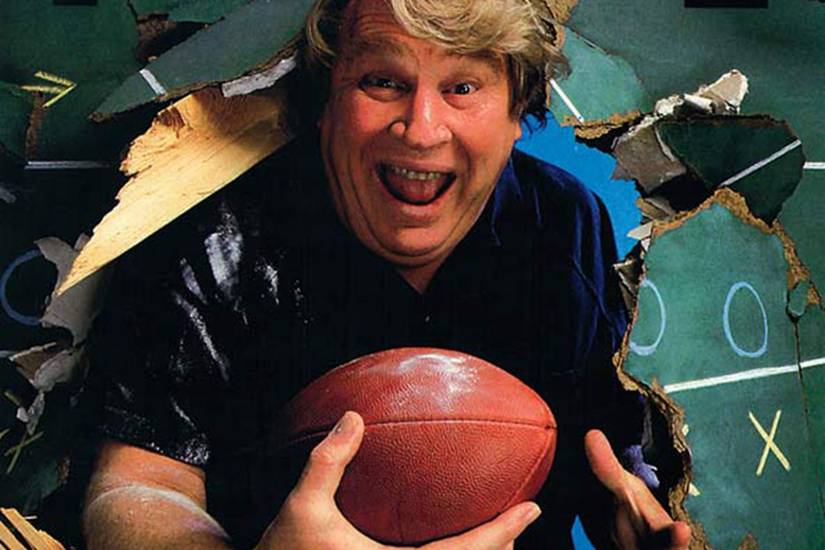 Image: Electronic Arts
Publisher: Electronic Arts
When some of us think about video games, we picture spaceships flying through the stars, or heroes with huge swords vanquishing slimy monsters, or furry mascots leaping along platforms. But there are other possibilities, and Electronic Arts recognized them when it released John Madden Football in 1988. The game marked the start of a series of titles made in partnership with the gregarious former player, coach, sports commentator, and turducken fan. Electronic Arts published a whole pile of sports games in general during the ‘90s, and brought fans digital versions of all their favorite athletes from various leagues. But its partnership with the NFL proved most fruitful as the 20th century wound down and the next millennium began. Suddenly, people who didn’t love princes or galactic bounty hunters had something they recognized and loved, and they showed up in droves. No wonder there’s a Madden movie on the way.
11 Mega Man
 Capcom
Publisher: Capcom
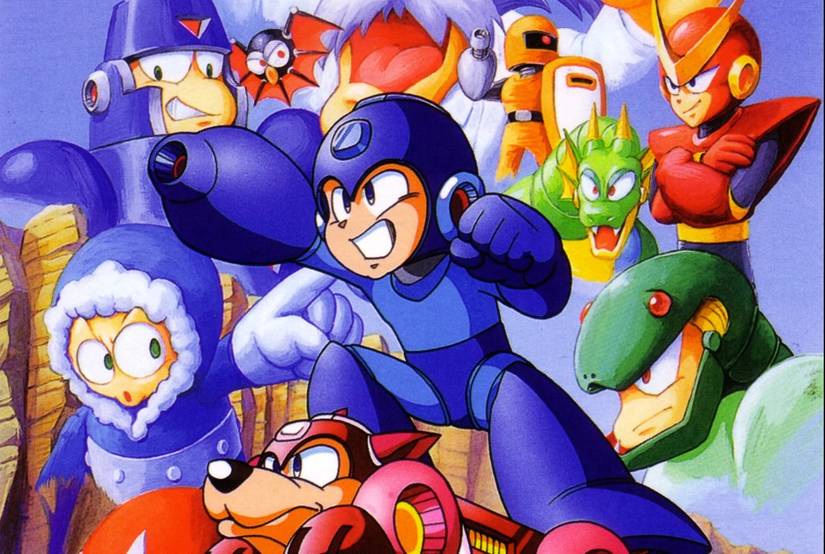
The Blue Bomber got a rocky start, but soon made up for any deficiencies with Mega Man 2. Following that success, there was a long stretch of time when each new year brought with it a taste of action platforming perfection. The formula quickly became reliable, even as the unflappable hero found dozens of new abilities and new companions. Each time after the first outing, eight out-of-control machines wreaked havoc in 20XX, always as part of some fiendish scheme from the devious mind of Dr. Wily. The simple concept was the basis for numerous games in the main series, and for additional releases in the Mega Man X spinoff series, as well as various other titles on home consoles and even in arcades. Mega Man’s popularity has faded more recently, though he has appeared in cartoons, as a character in the Smash Bros. games, and even has another new adventure on the way in 2027’s Mega Man: Dual Override.
10 Castlevania
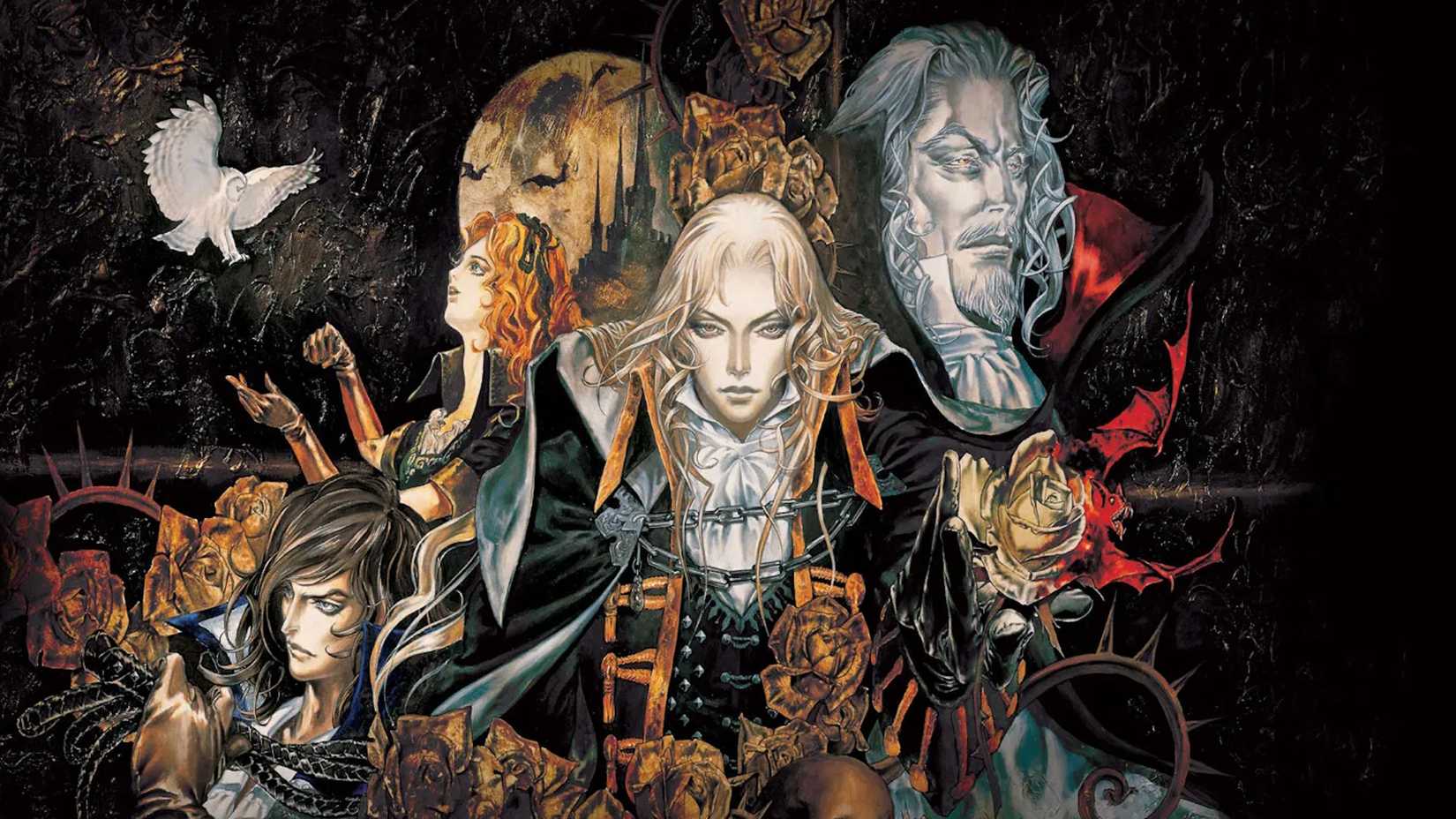 Image: Konami
Publisher: Konami
Gothic adventure games owe an enormous debt to Castlevania and its dozens of sequels, but the overall franchise has another claim to fame: it’s half the inspiration behind the entire Metroidvania subgenre. That accomplishment came courtesy of the enormously popular Symphony of the Night, which arrived on PlayStation in Japan on March 20, 1997. By then, the overall franchise had already seen numerous installments on hardware such as the NES, Genesis, MSX, and Commodore 64. Once inspired by cinema and literary works, the games now inspire moves of their own, including a hugely popular anime adaptation on Netflix. Not only that, but the series has recently enjoyed a revival, with Castlevania: Belmont’s Curse due this October for Nintendo Switch, PlayStation 5, Windows PC, and Xbox Series X/S.
Get Polygon’s Wishlister newsletter
A weekly cheat sheet to what you’ll eventually love to play. No buying, no commitment — just saving for later.
Free. Unsubscribe anytime.
9 Donkey Kong
 Image: Rare/Nintendo
Publisher: Nintendo
Trace Nintendo’s long history of games back far enough and you’ll run face-first into Donkey Kong, the franchise that proved the company had something special to offer video games. The original Donkey Kong, though special, didn’t seem like the sort of release that might inspire a whole franchise, but it did. Donkey Kong Jr. introduced the antagonist’s son, now cast as a hero. Donkey Kong 3 and Donkey Kong Jr. Math followed, along with a compilation of the first two games. A few years later, Donkey Kong returned in Rare’s Donkey Kong Country and its sequels. The trilogy proved once again that Nintendo had a lot to offer. Those newer games extended the Super Nintendo’s lifespan until Nintendo felt ready to launch its Nintendo 64 console, and were the basis of a more recent revival on Wii and Wii U. Most recently, Donkey Kong Bananza surprised and delighted fans near the Nintendo Switch 2 launch.
8 Resident Evil
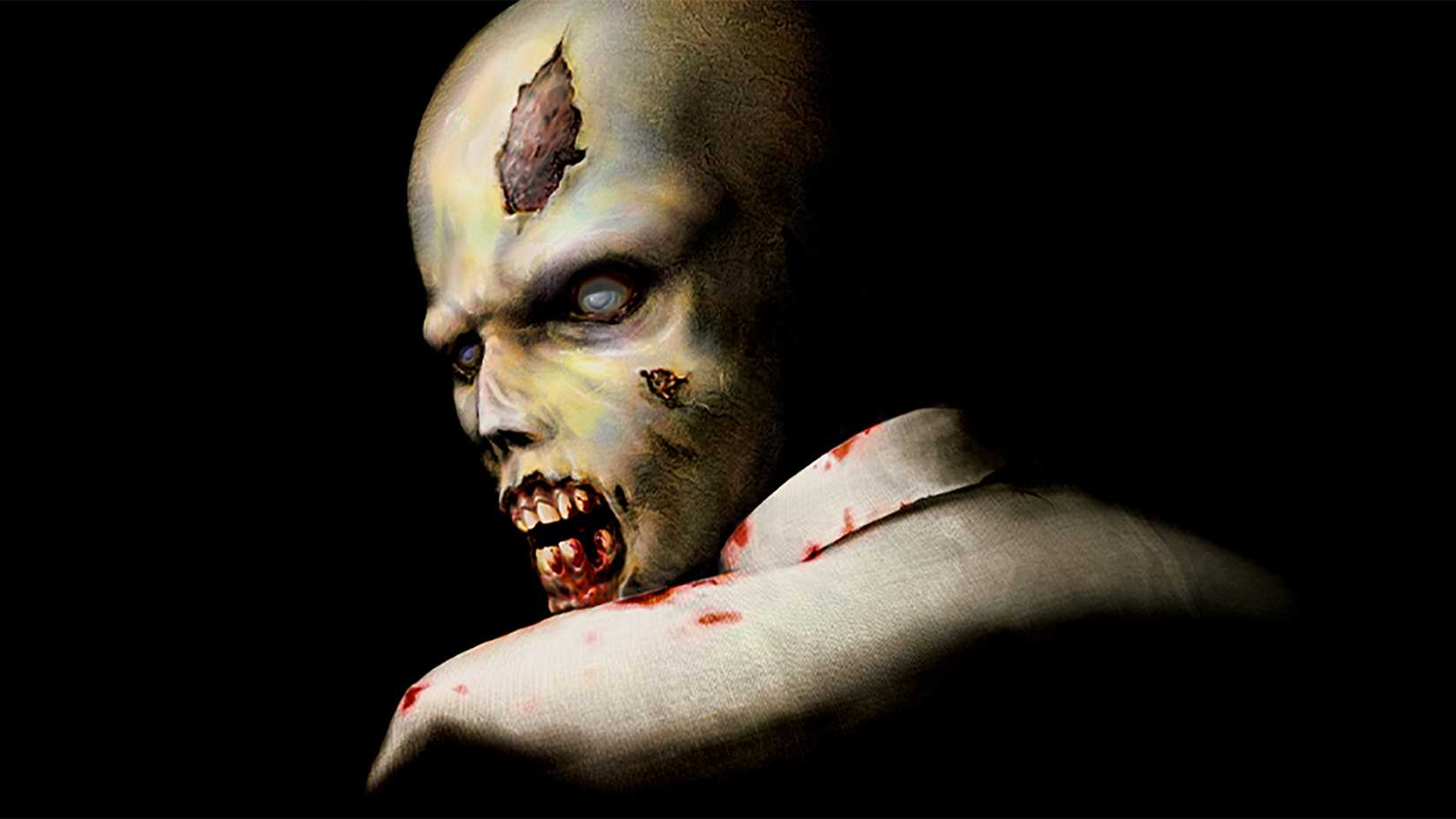 Image: Capcom
Publisher: Capcom
Raccoon City doesn’t exist, any more than Hyrule or the Mushroom Kingdom or the many other fictional places video games have allowed us to visit. But somehow, the city and its outlying areas feel every bit as real as Chicago or Portland. We remember time spent in deserted mansions, running from zombies and saving our progress with typewriter ribbons. We recall a tense visit to a police station, which proved even the local police department can’t save us from the horror inflicted upon us by the Umbrella Corporation. Resident Evil and its sequels and spinoffs were enormously influential, spawning myriad imitators (like the similarly excellent Silent Hill series from Konami), movies, and even board games. Today, the franchise is still going strong, though it’s difficult to imagine it ever topping its performance in the late ‘90s.
7 Street Fighter
 Capcom
Publisher: Capcom
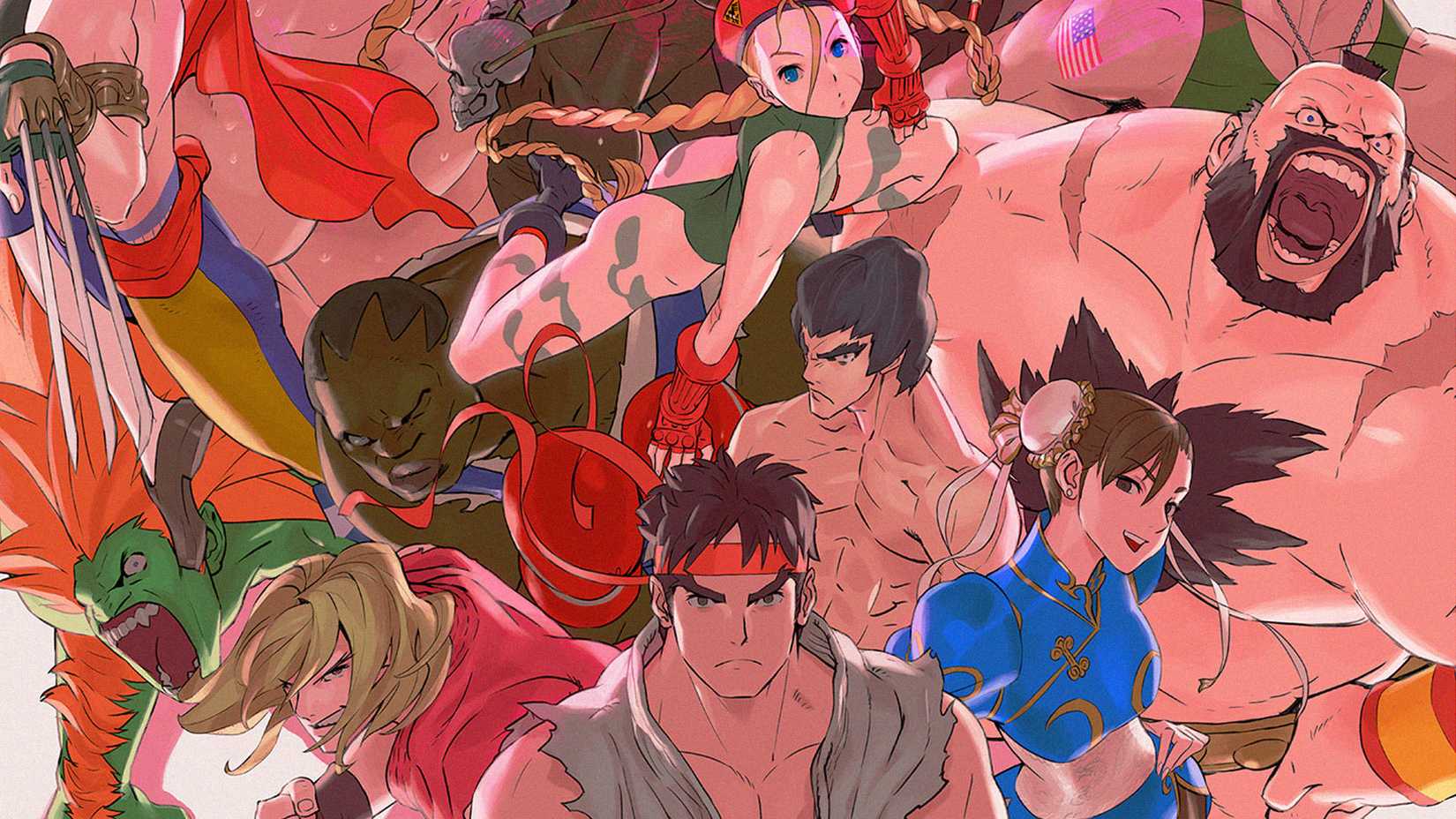
The Street Fighter series didn’t really take off until Street Fighter 2: The World Warrior started drawing crowds in arcades after its release in March 1991. It came to the Super Nintendo a year later, and suddenly we could all play as many matches as we wanted without dropping more quarters. But for a long time, the only way to play the best versions of the game was to find an arcade cabinet, and so we did. They appeared not only in arcades, but in laundromats, pizza parlors, and convenience stores. Once it found that eager audience, Capcom kept a stream of Street Fighter II games coming, and expanded the property with anime, movies, comics, and more. Plenty of other franchises took inspiration from the audience Capcom found, including the likes of Mortal Kombat and Tekken, but as far as some of us are concerned, there will never be another Street Fighter 2.
6 Sonic the Hedgehog
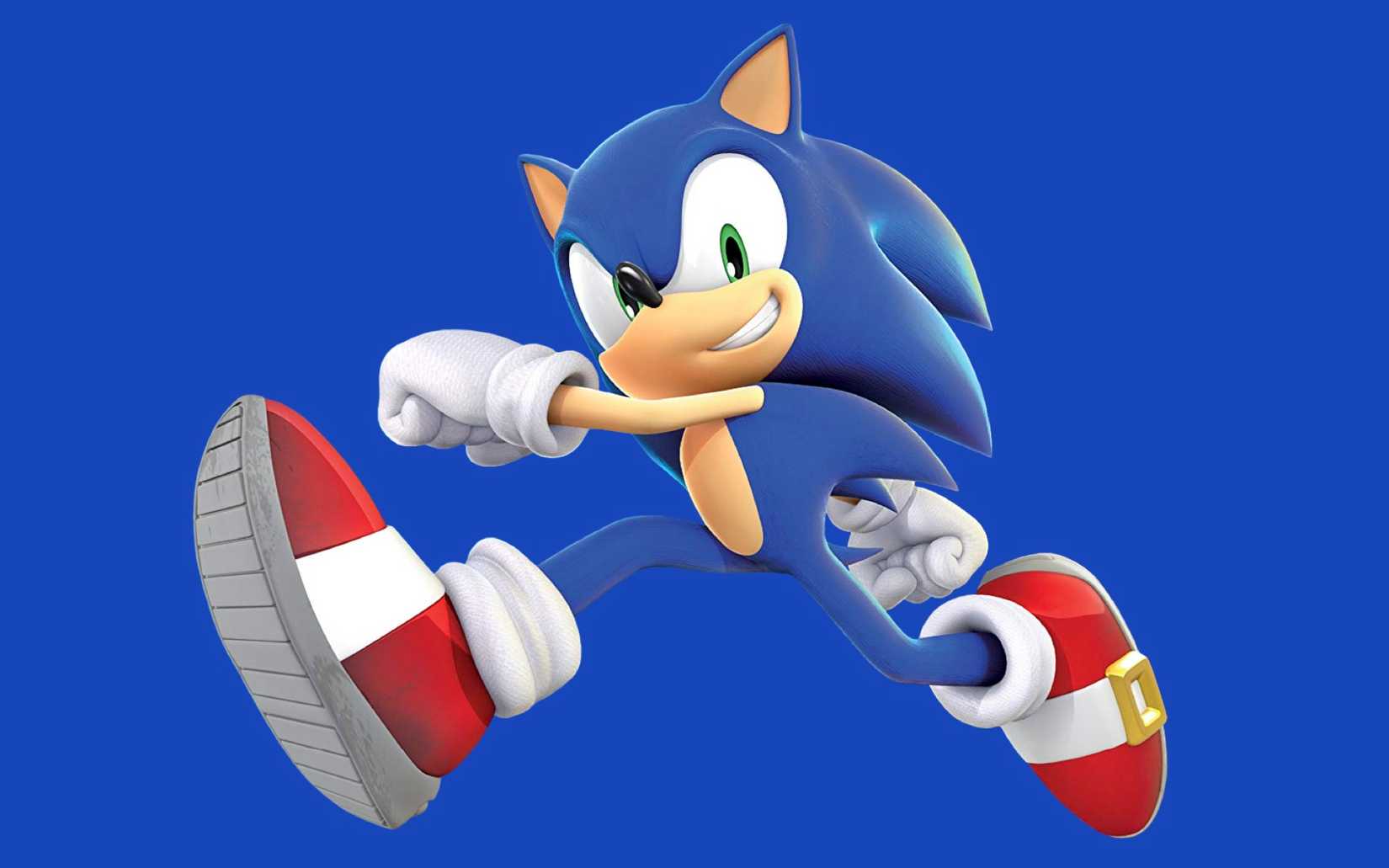 Image: Sega
Publisher: Sega
Mario’s games have a lot going for them, but a stylish hero isn’t one of them. With his overalls and drooping mustache, Mario looks the part of a hard worker, but he doesn’t seem like the sort of guy who might save a fantasy kingdom from a dragon-like monster called Koopa. Sensing an opportunity, Sega gave the plumber some fresh competition in the form of Sonic, a blue hedgehog with an attitude who also happens to look good in red sneakers and dark shades. Not only that, but he runs fast. Really, really fast. And he collects rings, which fly everywhere when he takes a wrong turn and brushes against some spikes. Sonic and Mario became bitter rivals almost immediately after the release of Sonic the Hedgehog on June 23, 1991. Schoolyard chums declared allegiances. The heat generated in some of those old arguments feels like ancient history now. But in the ‘90s, it was the reason some of us got up in the morning.
5 Pokemon
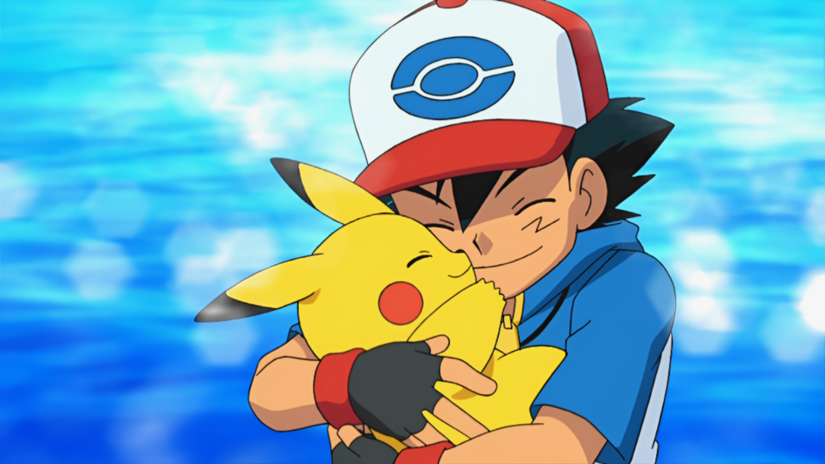 Image: OLM/The Pokémon Company
Publisher: Nintendo
Whoever came up with the slogan “Gotta catch ‘em all” definitely deserves a raise, because those four words became a rallying cry for an entire generation of young players. As parents and pastors panicked that we were allowing the devil into our homes, we spent whatever hours we could exploring grassy trails in digital worlds, all in the hope that we could throw a ball and capture a new fish, gopher, or bird for our team. The franchise is still enormously popular even now, but the funny thing is that somehow, it felt bigger still in the ‘90s. We collected cards. We begged our parents for more batteries, so we could finally topple that gym leader. And we traded with friends, especially if they had the blue version and we had the red one. Add in an anime that some of us watched and you have a proper giant in the entertainment world, one that people are still prepared to spend big money to enjoy.
4 Doom
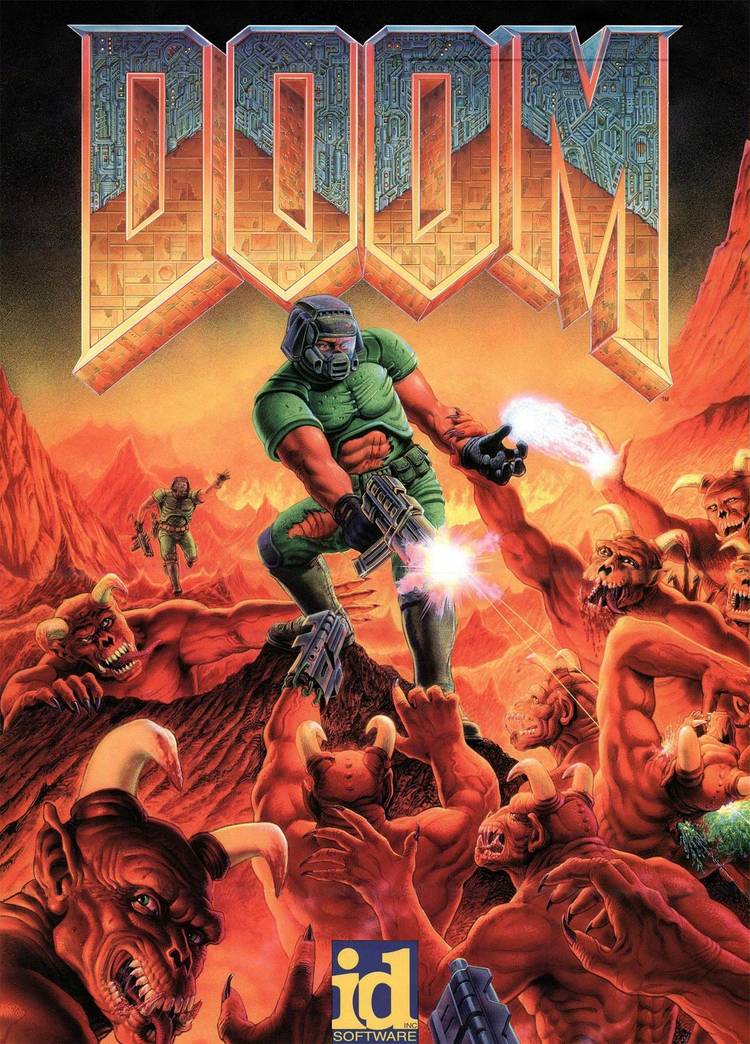 Image: id Software
Publisher: id Software
Can your refrigerator or toaster play Doom? The answer might surprise you. For decades, any devices with a modicum of computing power and a screen of some sort (and even a few things that lack such features) have been used to play Doom, the classic first-person shooter from id Software. The original game gave us a reason to hold LAN parties, introduced us to the depths of hell, and spawned a beloved franchise that in turn has inspired many imitators. Today, the series has fallen out of favor, even factoring in the success of the 2016 reboot and its sequels. But we’ll never forget the juggernaut it once was.
3 Zelda
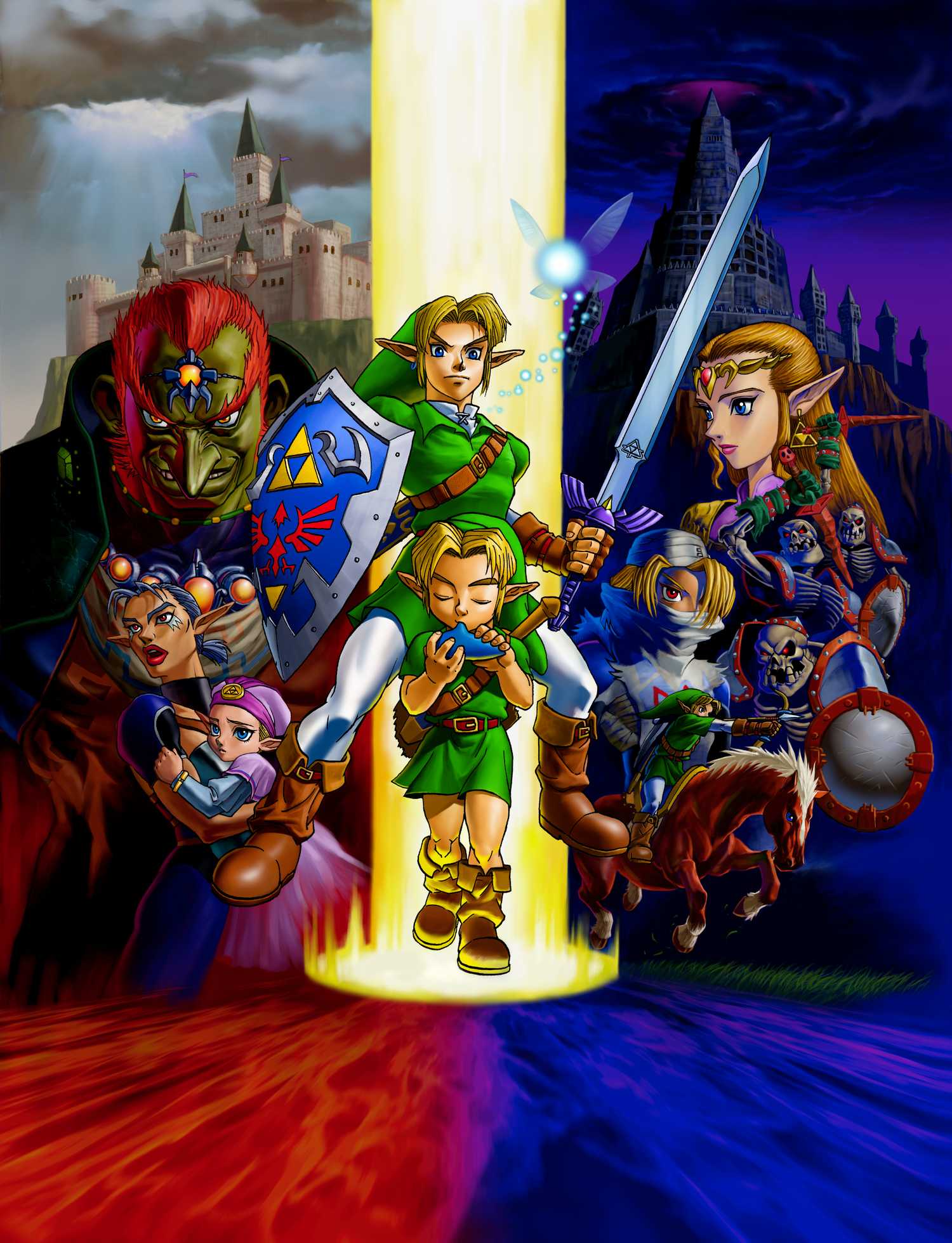 Image: Nintendo
Publisher: Nintendo
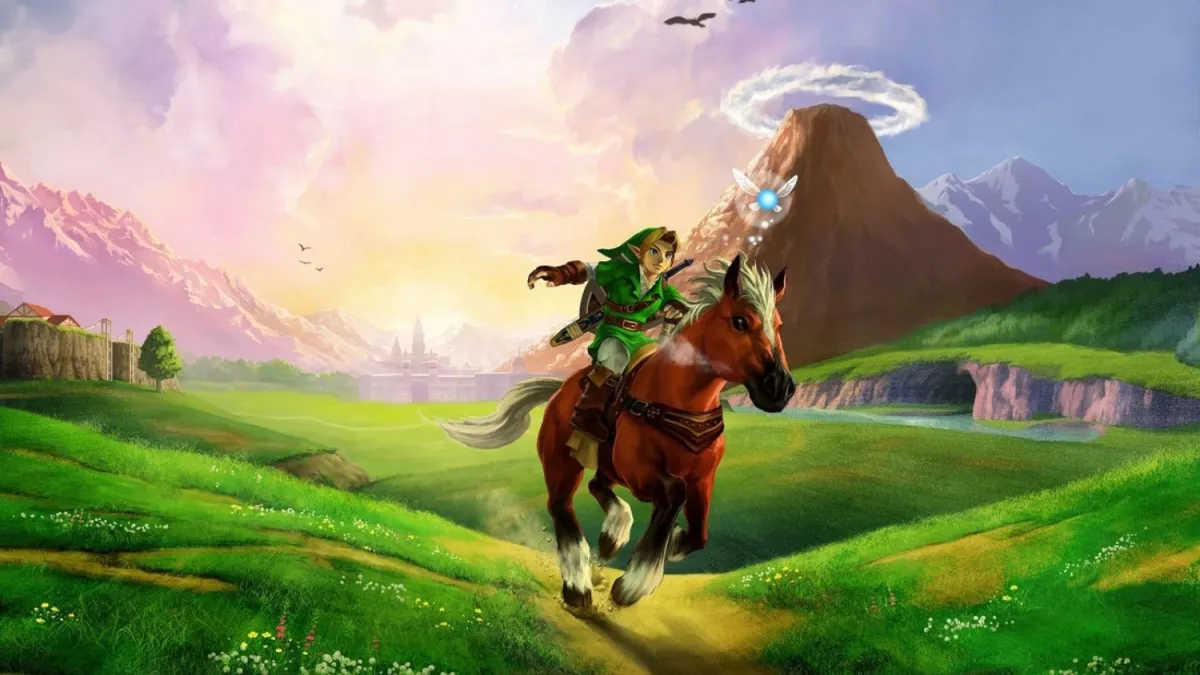
The Legend of Zelda had a simple story, reminiscent of some classic fairy tales, and yet it kicked off one of the most beloved franchises in the medium’s history. You need look no further than the Ocarina of Time remake to see that much. In the ‘90s, when Nintendo’s more popular characters had television shows, there was even a short-lived cartoon. But the games were what kept us coming back, starting with the two NES installments, then a Super Nintendo sequel that inspired some of us to finally invest in 16-bit hardware. Link’s Awakening amazed us with a huge world on the tiny Game Boy, and then Ocarina of Time blew us all away as it took those memorable first steps into 3D worlds. Endlessly imitated but never bested, Zelda was a force to be reckoned with… and still is.